In short
- Anki is unbeatable if you want full control: custom cards, add-ons, shared decks, any subject.
- Its cost is time: making good cards and tuning settings is work most people stop doing.
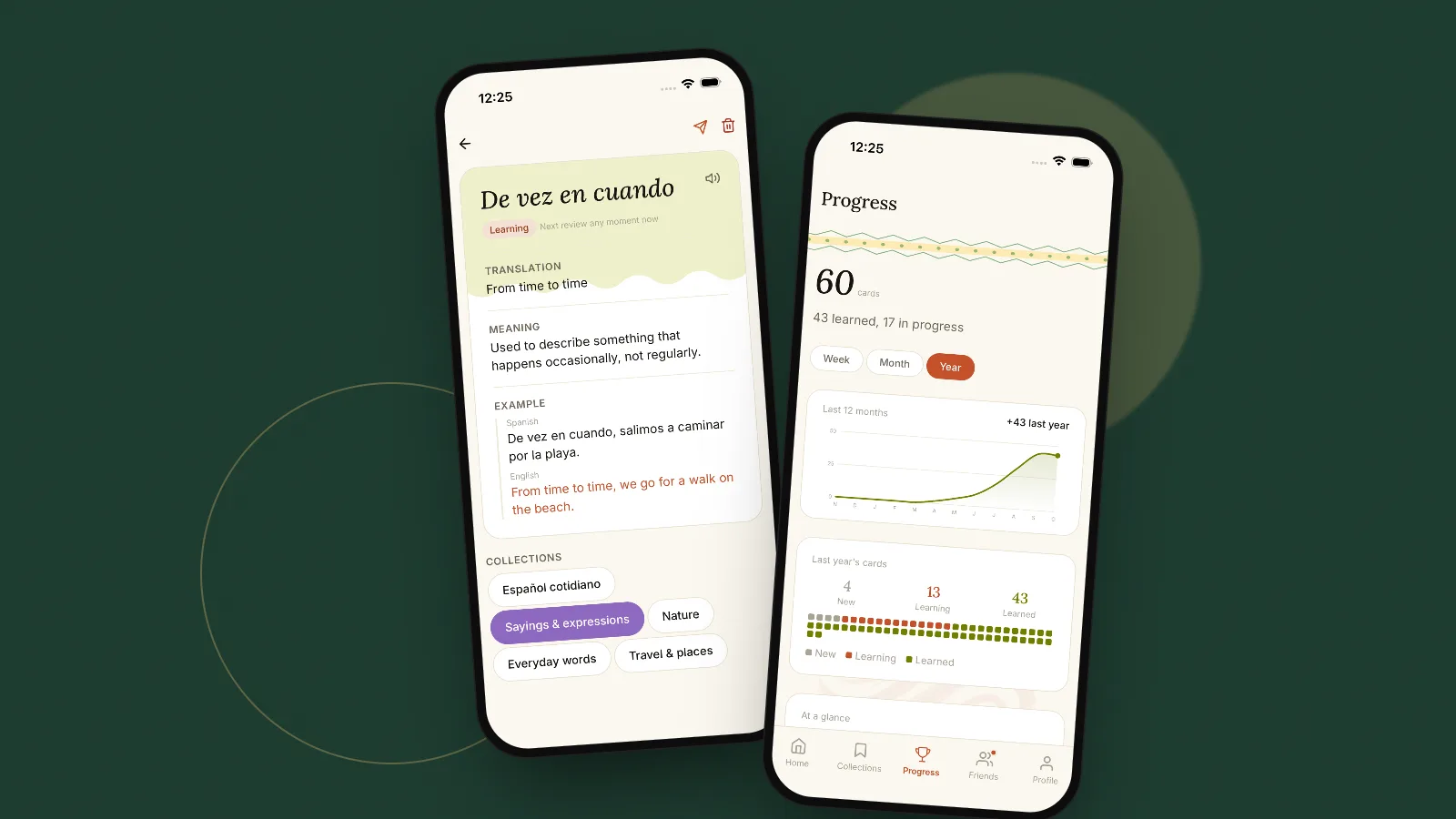
- Metis makes the card for you from the word you look up, then schedules short reviews.
- Pick by what you're learning: a curriculum or exam suits Anki, everyday words suit Metis.
In this guide
Why people love Anki, and why many stop
Anki is free on desktop and Android, open source, and endlessly flexible. You can study anything, download decks other people made, and tune the algorithm to the day. Medical students and language nerds swear by it, with good reason.
The catch is that the best Anki cards are the ones you make yourself, and making them is a job: copying the word, finding a good example, adding the translation, formatting it. For a word you just met at the shop, that friction is often enough to not bother. Pre-made decks avoid it, but they're full of words you'll never use and missing the ones you actually hear.
A different starting point
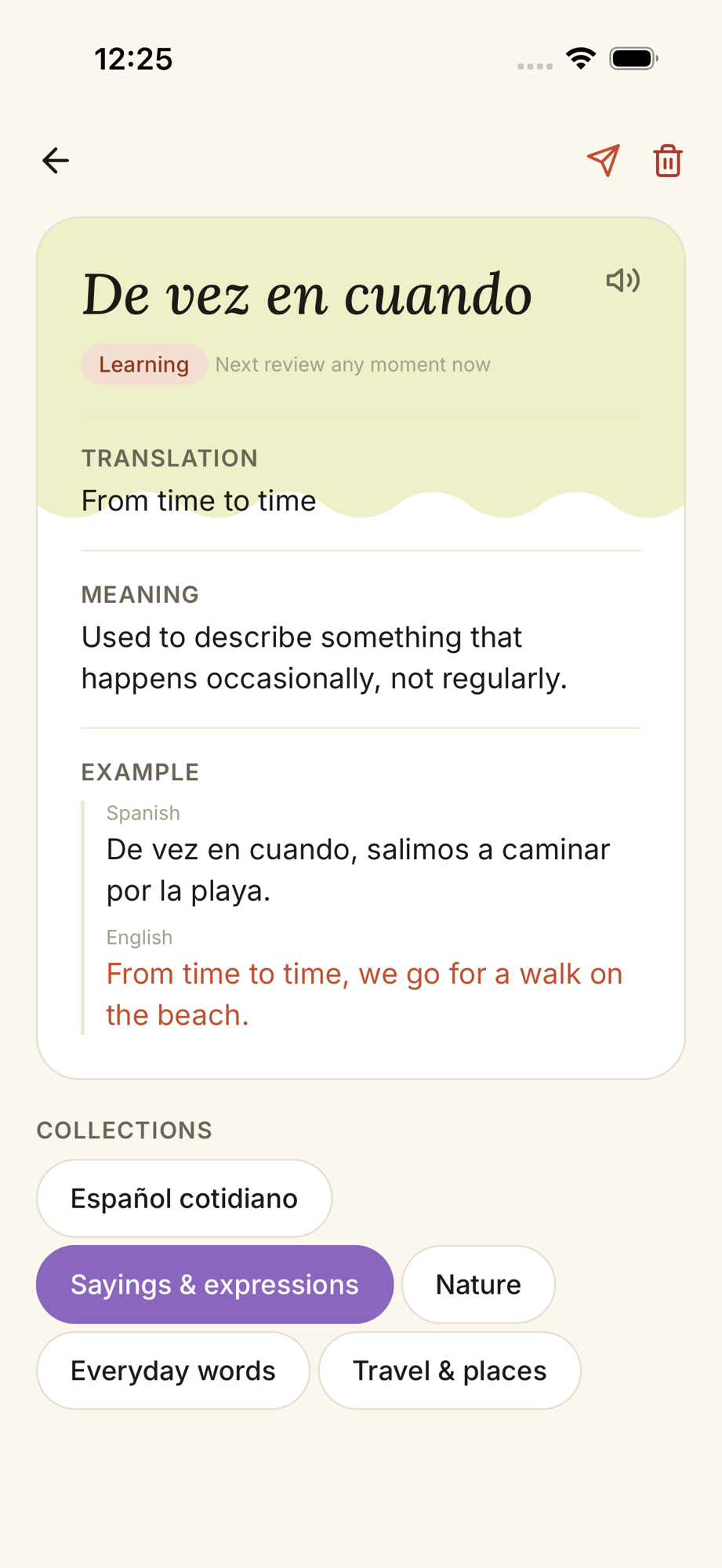
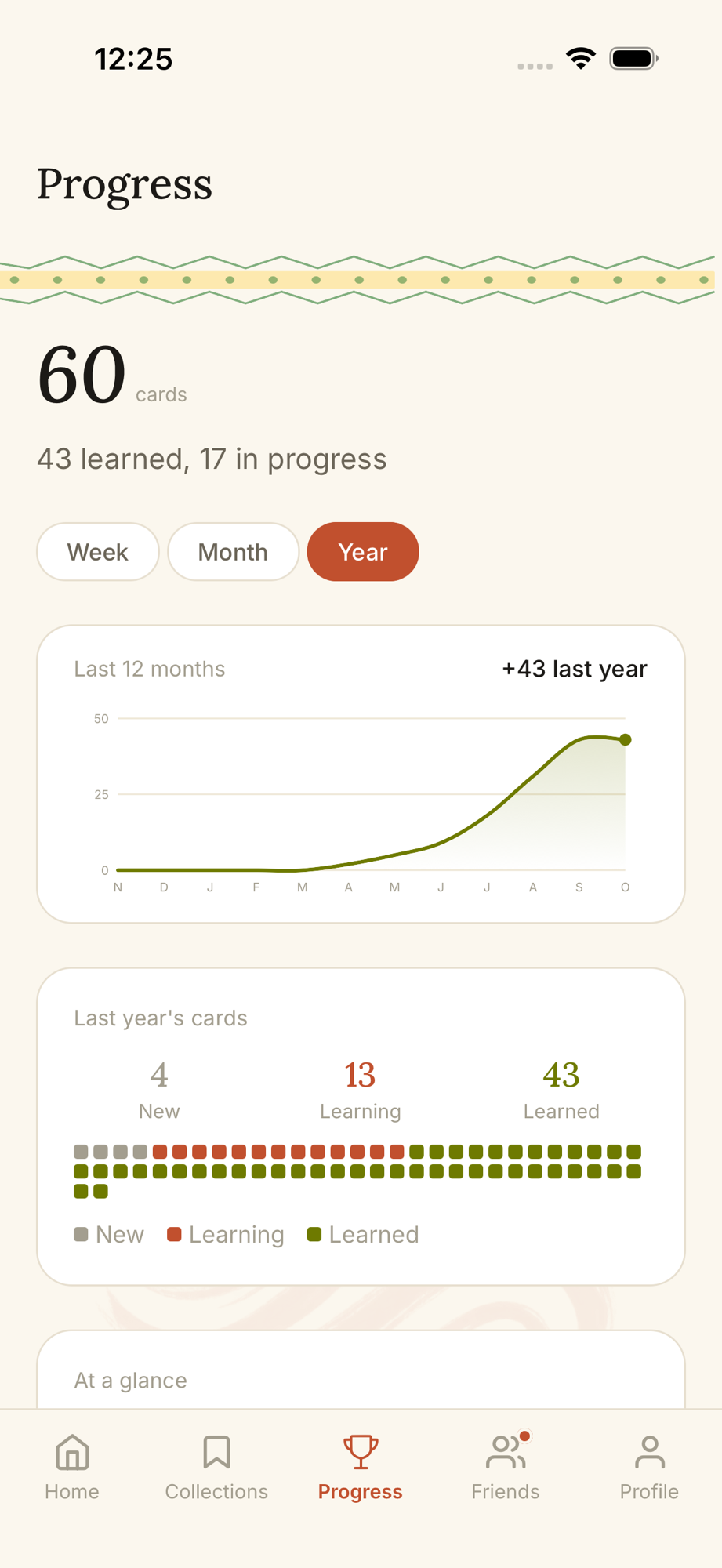
Metis starts from the moment you look a word up. You search it like in a translator, in either language, and the card is already made: translation, a meaning in plain words, a real example with its translation, and synonyms. One tap saves it, and it comes back as a short quiz after 1, 2, 4 and 7 days until you know it.
- Making a card
- AnkiYou write it
- MetisMade for you from your search
- Example sentences
- AnkiYou add them
- MetisIncluded, with translation
- Review schedule
- AnkiAdjustable algorithm
- Metis1, 2, 4, 7 days, then learned
- Quiz styles
- AnkiCard templates you design
- MetisMultiple choice, fill the blank, meaning to word, typing
- Other subjects
- AnkiAnything
- MetisLanguages only
- Shared decks
- AnkiThousands
- MetisNo, your own words
- Price on iPhone
- AnkiPaid app
- MetisFree, optional premium
Which one should you use?
- 1
Choose Anki if…
you're preparing an exam or following a course with a fixed word list, you want to study more than languages, or you enjoy customising your setup.
- 2
Choose Metis if…
you live abroad or read and watch things in another language, most of your new words come from real life, and you want reviews without making cards.
- 3
Or use both
Plenty of people keep Anki for a structured course and Metis for the words that come up day to day.
Coming from Anki?
You'll recognise the idea: short, spaced reviews of things you're about to forget. The difference is that there's nothing to set up, so you can start with the next word you look up.
Questions people ask
Does Metis use spaced repetition like Anki?
Yes, with a simple fixed ladder: a word comes back after 1, 2, 4 and 7 days, and it's marked learned once you remember it after a full week. A wrong answer repeats the same interval instead of starting over.
Can I import my Anki decks into Metis?
Not at the moment. Metis is built around the words you look up yourself.
Is Metis free?
Yes, on iPhone. Free accounts learn one language with up to 10 words in progress at a time, and learned words free up their place. Premium removes the limits.